
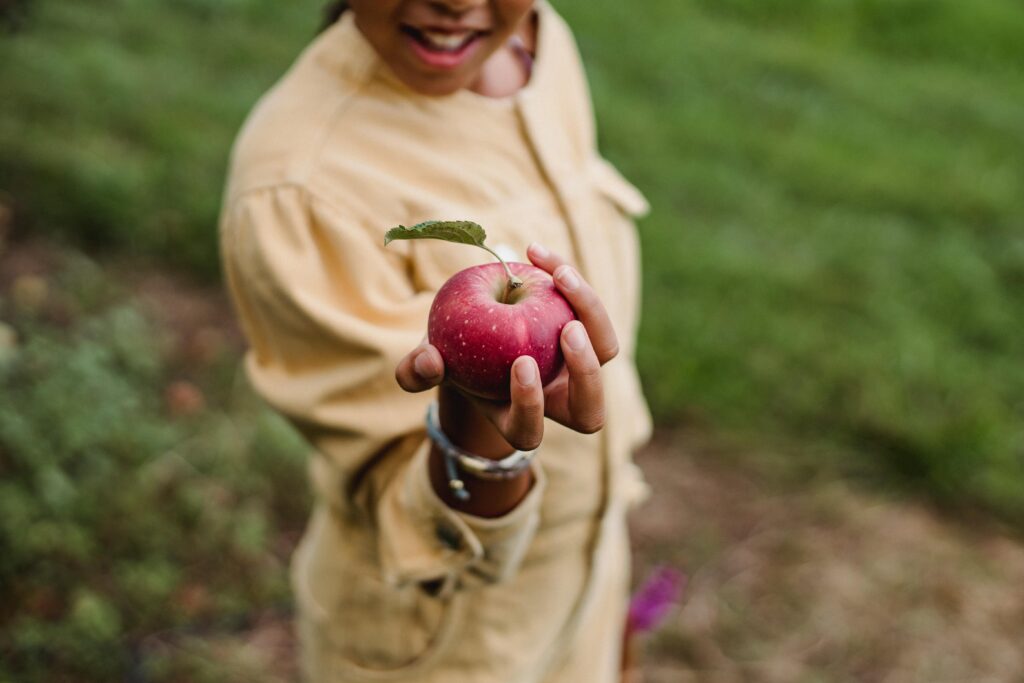
From classrooms to food distributions, LAHC’s summer nutrition programs touched hundreds of lives, blending education, access, and empowerment
This summer, Leaders Advancing and Helping Communities (LAHC) continued its mission of promoting healthier lifestyles by delivering hands-on nutrition education, physical activity opportunities, and food access programs.
From fitness classes for women to cooking workshops for students and large-scale food distributions, each initiative worked to empower community members with practical skills while addressing barriers to wellness.
At the same time, LAHC began developing an innovative pilot project in collaboration with the Drew Transition Center. This forward-looking program promises to extend the impact of this summer’s work into classrooms across the region.
Together, these efforts highlight both the importance of nutrition and activity in overall health and the challenges that many families face in accessing them.
Join us in building healthier communities—explore upcoming LAHC programs and get involved today!
Women’s Fitness & Nutrition Initiatives at Salina Elementary
In July, LAHC wrapped up a 6-week Women’s Fitness & Nutrition series at Salina Elementary, where 10 dedicated participants committed to building healthier routines for themselves and their families.
The series was grounded in the Families Eating Smart and Moving More curriculum, which blends practical nutrition education with gentle physical activity.
Each week, women took part in interactive workshops that addressed real-life challenges such as:
- Meal planning on a budget – learning how to stretch food dollars without compromising nutrition.
- Healthy cooking tips – exploring techniques that make preparing balanced meals at home more manageable.
- Reading and understanding food labels – empowering participants to make informed choices at the grocery store.
- Incorporating movement into daily routines – proving that even small amounts of physical activity can boost energy and health.
In addition to nutrition lessons, each session included low-impact fitness activities, encouraging women to move in ways that felt comfortable and sustainable. The group dynamic fostered accountability, confidence, and friendship.
For many participants, the program provided not only knowledge but also a supportive community that reinforced the message: prioritizing personal health benefits the whole family.
Cooking Classes at McCollough-Unis
At McCollough-Unis School, students participated in summer cooking classes designed to show how healthy meals can be both affordable and fun to prepare.
Each class featured hands-on instruction and emphasized the use of fresh, wholesome ingredients.
Recipes included:
- Whole-grain French toast with a no-sugar-added mixed berry compote
- Protein pasta paired with scratch-made marinara sauce
- Fresh garden salads dressed with homemade vinaigrettes
- Veggie-packed quesadillas loaded with colorful vegetables
These lessons allowed students to explore new flavors while learning fundamental cooking skills—from measuring and chopping to seasoning and plating.
By focusing on budget-friendly meals, the program made a healthy eating approachable and relevant for families who may face financial barriers.
Forgotten Harvest Mobile Market
Nutrition education works best when families also have consistent access to fresh, affordable food.
That’s why LAHC continues to partner with Forgotten Harvest Mobile Market, which provides free produce and groceries to community members in need.
In July alone, the program served 157 people and distributed more than 6,200 pounds of food.
This large-scale effort helped fill gaps in access to fresh fruits, vegetables, and pantry staples—essentials that many households struggle to afford consistently.
The market represents an essential bridge between education and access: while classes help families learn how to cook and eat healthier, food distributions ensure that they have the means to put those lessons into practice.
A Pilot Project in the Works: Drew Transition Center
Beyond summer programming, LAHC is laying the groundwork for an exciting new initiative with Drew Transition Center, designed to empower educators with the skills and confidence to incorporate wellness into everyday learning.
This model will include:
- Lesson enhancements that integrate health concepts into core subjects
- Sensory-friendly strategies tailored to the unique learning needs of Drew students
- Practical classroom activities promoting nutrition, movement, and holistic wellness
By equipping teachers directly, this approach creates a multiplier effect—ensuring that wellness education doesn’t stop at the end of a program series but instead becomes a lasting part of the classroom environment.
The pilot represents a forward-looking investment in sustainability, offering a blueprint that could be replicated in schools across the community.
Why Nutrition and Activity Matter
The importance of combining nutrition and physical activity cannot be overstated.
- Good nutrition helps children grow, supports cognitive development, reduces the risk of chronic disease, and enhances overall well-being.
- Physical activity, meanwhile, strengthens muscles and bones, improves mental health, and helps regulate weight.
Together, these factors lay the foundation for lifelong health.
- For adults, especially women balancing family and work responsibilities, maintaining healthy routines reduces the risk of heart disease, diabetes, and obesity, while also supporting energy and resilience.
- For children and teens, learning to cook, move, and eat well can translate into better academic performance, improved focus, and stronger social-emotional health.
Barriers to Accessing Nutrition and Activity
Despite the clear benefits, many families struggle to access consistent opportunities for healthy living.
Common barriers to nutrition and wellness
- Cost: Fresh produce, lean proteins, and whole grains can be more expensive than processed alternatives. Gym memberships and fitness classes may also be financially out of reach.
- Transportation: Traveling to grocery stores, farmers’ markets, or fitness programs isn’t always possible for households without reliable transportation.
- Time: Parents balancing jobs, caregiving, and other responsibilities often struggle to find time for meal prep or exercise.
- Knowledge: Without clear, practical guidance, healthy eating can feel overwhelming. Misleading food marketing and confusing nutrition labels only add to the challenge.
- Environment: Some neighborhoods lack safe spaces for outdoor activity, while others face limited grocery store availability—factors that can reinforce unhealthy habits.
By addressing these barriers directly through education, access, and community support, programs like LAHC’s summer health and wellness initiatives play a vital role in closing the gap between intention and action.
Looking Ahead
The successes of this summer demonstrate that when education, access, and community come together, families are more likely to adopt and sustain healthier lifestyles.
From the women at Salina Elementary gaining confidence in their ability to make nutritious meals, to the students at McCollough-Unis discovering the joy of cooking, to the hundreds of pounds of food distributed through Forgotten Harvest Mobile Market, every initiative contributed to stronger, healthier households.
The upcoming pilot project with Drew Transition Center will only build on this momentum, ensuring that health and wellness are not temporary lessons but lasting practices embedded into everyday life.
Support LAHC’s mission
This summer’s programs offered more than nutrition tips and exercise routines—they provided community, empowerment, and access.
Tackling barriers head-on and innovating with forward-looking projects, LAHC continues to help families not only survive but thrive.
Health is not just about individual choice; it’s about the environments and opportunities available to us.
Through its ongoing work, LAHC is proving that when communities are given the tools, knowledge, and support they need, healthier living is within reach for all.
Together, we can expand access to health, wellness, and nutrition education for our community. Get involved with LAHC today.